


The mental load of co-parenting after separation
This month my youngest child just turned 18 and honestly, that feels like a big milestone.
There is something about your youngest reaching adulthood that makes you look back at all the years that came before.
The school notices.
The uniforms.
The appointments.
The sport.
The birthday parties.
The forgotten lunch boxes.
The endless calendar reminders.
And, after separation, the extra layer of trying to make all of that work across two homes.
When your children are younger, co-parenting can sometimes feel like you are managing a small logistics company.
Who has the school shoes?
Did the sports uniform come back?
Who is taking them to the dentist?
Which house is the birthday present at?
Did anyone remember the excursion note?
And who has the school laptop charger?
It is a lot.
And while your children may move between two homes, the mental load does not always feel evenly divided.
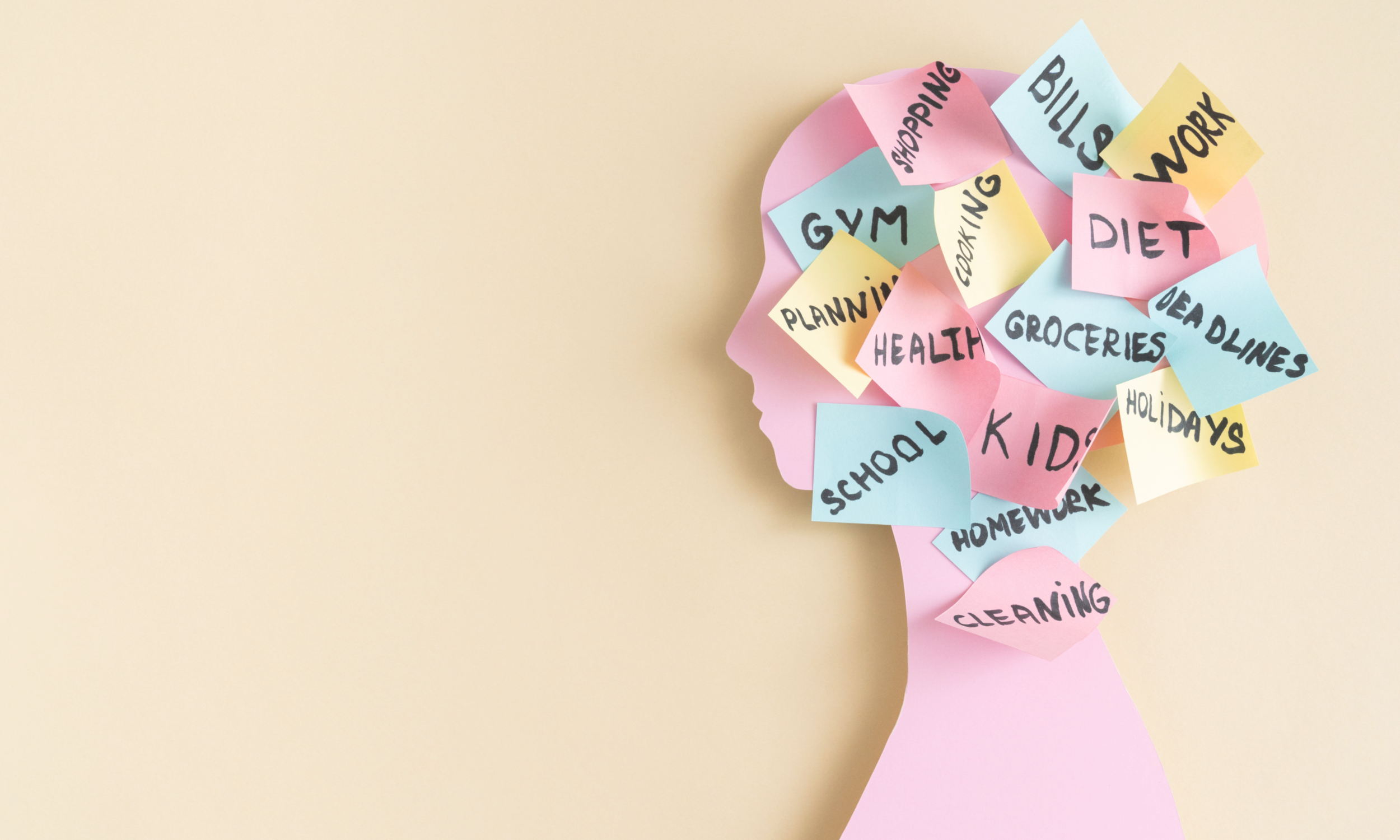
The invisible work adds up
A big part of parenting is remembering things before anyone else even realises they need to be remembered.
You are not just taking a child to an appointment.
You are remembering to book it, putting it in the calendar, letting the other parent know, finding the Medicare card, rearranging work and making sure someone follows up afterwards.
That invisible work can become exhausting.
So if co-parenting feels harder than it “should”, sometimes it is simply because you are carrying far more in your head than you realise.
A few things that can make it easier
Use one shared calendar
Keep school events, appointments, sporting commitments and important dates in one place wherever possible.
The less information you have to repeatedly pass backwards and forwards, the better.
Create duplicates of the basics
If you can, keep everyday essentials at both homes.
Toothbrushes, chargers, basic toiletries, pyjamas and some school supplies can save a surprising amount of stress.
Not everything needs to travel backwards and forwards every week.
Have a simple handover system
A basket, bag or checklist near the door can help with the things that do need to move between homes.
Think school items, medication, sporting equipment or anything needed for the next few days.
Put responsibility where it belongs
As children get older, they can start carrying more of their own mental load.
Let them check their school timetable.
Encourage them to pack their own sports bag.
Get them involved in remembering what needs to move between homes.
You are still supporting them, but you do not need to remember everything forever.
Stop aiming for perfect
Something will eventually be forgotten.
A hat will stay at the wrong house.
A note will be missed.
Someone will realise at 8.00 pm that they need something for school tomorrow.
It happens.
The goal is not a perfectly organised two-home family.
The goal is creating systems that make everyday life a little calmer.
And then, somehow, they grow up
When I think about my youngest turning 18, I realise how quickly all those years of organising, remembering and coordinating have passed.
At the time, some weeks felt endless.
Now I look back and realise they were a season.
A very busy season.
If you are still in the thick of it, give yourself some credit.
You are not just managing calendars and school bags.
You are helping your children move between two homes while still giving them consistency, security and a sense of belonging.
And one day, much sooner than you expect, you might find yourself looking back at all those forgotten uniforms and last-minute school notes and wondering how it all went so quickly.
If you are navigating parenting and co-parenting after separation, explore our
free Re-Charge resources, or take a look at our courses and workshops for practical tools and support to help make life feel a little easier.